
Trust Planning for Blended Families: Avoiding Common Pitfalls
July 3, 2026
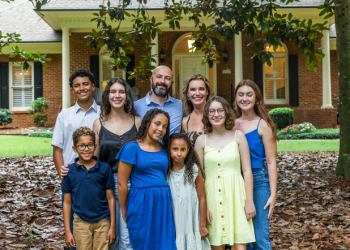 Planning for the future often brings a mix of responsibility and careful decision-making, especially for blended families working to align financial priorities across different household relationships. Questions about how assets will be managed, who will receive them, and when distributions will occur can carry heavy weight.
Blended families may face added considerations when previous relationships, children from different marriages, and shared property all intersect. These circumstances can influence how individuals approach trust planning, particularly when balancing support for a current spouse with provisions for children from prior relationships.
Eric H. Light, P.A,, works with individuals and families in Boca Raton, Florida, to address concerns tied to estate planning and trust planning for blended family structures. A trusted attorney will listen and develop a plan that meets your specific needs. Reach out today to get started.
Trust Planning in Blended Family Structures
Blended families often include children from previous relationships alongside a current spouse. These overlapping relationships can lead to different expectations about inheritance and financial support. Trust planning helps organize those expectations in a written and legally recognized format.
Trust planning allows a person to outline who receives assets, when they receive them, and under what conditions. This can be especially relevant when balancing the needs of a surviving spouse with those of children from a prior marriage.
Without trust planning, default state inheritance rules may control how assets are distributed. Those rules may not reflect the family’s personal intentions. As a result, unintended outcomes can occur, sometimes leading to disagreements among surviving family members.
Common Pitfalls in Asset Distribution Decisions
One of the most common challenges in blended families is uneven expectations about inheritance. A surviving spouse may expect continued financial stability, while children from a prior relationship may expect direct inheritance sooner. Trust planning often addresses these competing expectations.
When trust planning is not clearly defined, misunderstandings can arise. These misunderstandings may center on asset ownership, timing of distributions, or the intent behind certain financial arrangements. Some common pitfalls include:
Leaving assets directly to a surviving spouse without outlining future distributions to children
Failing to account for assets acquired before the current marriage
Overlooking how jointly owned property will be treated after death
Not updating trust planning after remarriage or major financial changes
Each of these issues can create tension among beneficiaries. Trust planning helps reduce ambiguity by setting expectations in advance.
Structuring Trust Provisions for Spouses and Children
Trust planning often focuses on balancing the needs of a surviving spouse with those of children from prior relationships, a topic that Eric H. Light, P.A., frequently addresses in its estate planning work with blended families. This balance can be achieved through carefully written trust provisions that outline specific rights and limitations.
Trust planning can also define conditions for distributions. These conditions may relate to age milestones, education, or other life events. By setting these terms in advance, individuals can organize how and when beneficiaries receive assets. In blended families, trust planning often includes provisions such as:
Lifetime income support for a surviving spouse
Delayed distribution of principal to children
Separate shares for children from different relationships
Guidance for managing real estate or business interests
These provisions allow trust planning to reflect the family's unique structure. They also help reduce uncertainty about how financial decisions will be carried out after death. Clear structure within trust planning can also reduce the likelihood of disputes. When expectations are written in advance, beneficiaries have a clearer reference point for interpreting intentions.
Communication and Family Expectations in Trust Planning
Communication plays an important part in trust planning, especially in blended families. While legal documents provide structure, conversations can help clarify intent and reduce misunderstandings among family members.
Some individuals choose to discuss general intentions with their spouse or adult children. These conversations may focus on long-term goals, financial stability, and the reasoning behind certain decisions in trust planning.
Trust planning often becomes more effective when expectations are at least partially shared. Even brief discussions can help reduce confusion later, particularly when family members are surprised by distribution terms. Common communication points may include:
Why certain assets are directed to specific beneficiaries
How trust planning supports both spouses and children
What long-term financial goals guided the structure
How responsibilities for property or investments will be handled
Even with communication, not every detail needs to be shared. Some individuals prefer to keep certain aspects of trust planning private while still discussing general intentions. In blended families, silence can sometimes lead to assumptions. Trust planning paired with clear, measured communication can help reduce that risk and support smoother transitions in the future.
Updating Trust Planning Over Time in Boca Raton Families
Life changes often affect blended families in significant ways. Marriage, remarriage, births, financial growth, or relocation can all influence how trust planning should be structured.
Trust planning is not static. It often requires review when major life events occur. Without updates, older documents may no longer reflect current family relationships or financial priorities. In Boca Raton, Florida, many individuals revisit trust planning after events such as:
Remarriage or divorce
Birth or adoption of children
Significant changes in asset value
Purchase or sale of a major property
Each of these events can shift priorities within a family. Trust planning that once reflected one stage of life may no longer align with current needs. Regular review of trust planning helps maintain alignment between intentions and documentation. It also provides an opportunity to adjust provisions for spouses or children when circumstances change.
Contact an Experienced Trust Planning Attorney
Trust planning can play an important part in helping blended families organize how assets are managed and distributed over time. When multiple family relationships are involved, careful attention to detail in planning documents can help reduce uncertainty and support clearer outcomes for spouses and children. Eric H. Light, P.A. works with individuals and families in Boca Raton, Florida, to address trust planning needs related to blended family situations. Reach out today for a consultation.